

Tossing and turning, staring at the ceiling, and dreading the sound of your morning alarm? You're not alone. If you want to know how to improve sleep quality, there’s a simple fix you can try tonight: make your bedroom as dark, cool, and quiet as possible. This one change creates the perfect stage for deeper rest, giving you an immediate win while you build better long-term habits.
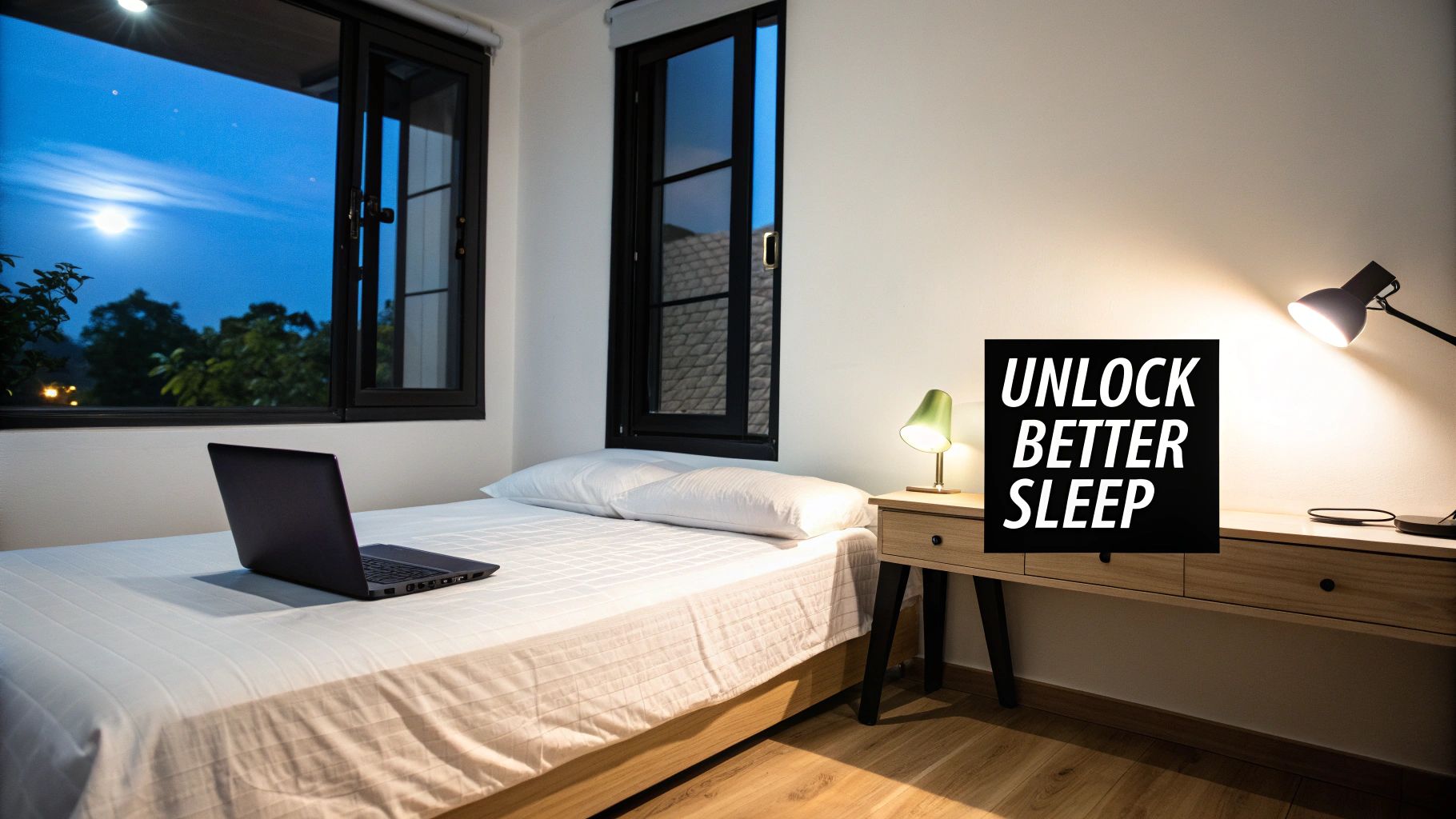
A bad night’s sleep does more than leave you groggy; it can tank your mood, kill your focus, and harm your overall health. The good news? Great sleep isn't about complicated fixes. It's about mastering a few key basics that are entirely within your control.
This guide cuts through the noise and focuses on three core pillars:
- Your Sleep Sanctuary: Crafting a bedroom environment dedicated to rest.
- Smarter Daily Habits: Making small adjustments during the day that pay off at night.
- The Right Materials: Choosing bedding that works with your body, not against it.
Let's dive into actionable steps you can take to transform your nights, starting now.
Turn Your Bedroom into a Sleep Sanctuary
Your bedroom should signal to your brain that it’s time to switch off, not serve as a late-night office or cinema. Transforming your space into a true sleep sanctuary is one of the most powerful moves you can make. It’s not about expensive makeovers; it's about mastering three simple elements: light, temperature, and sound.
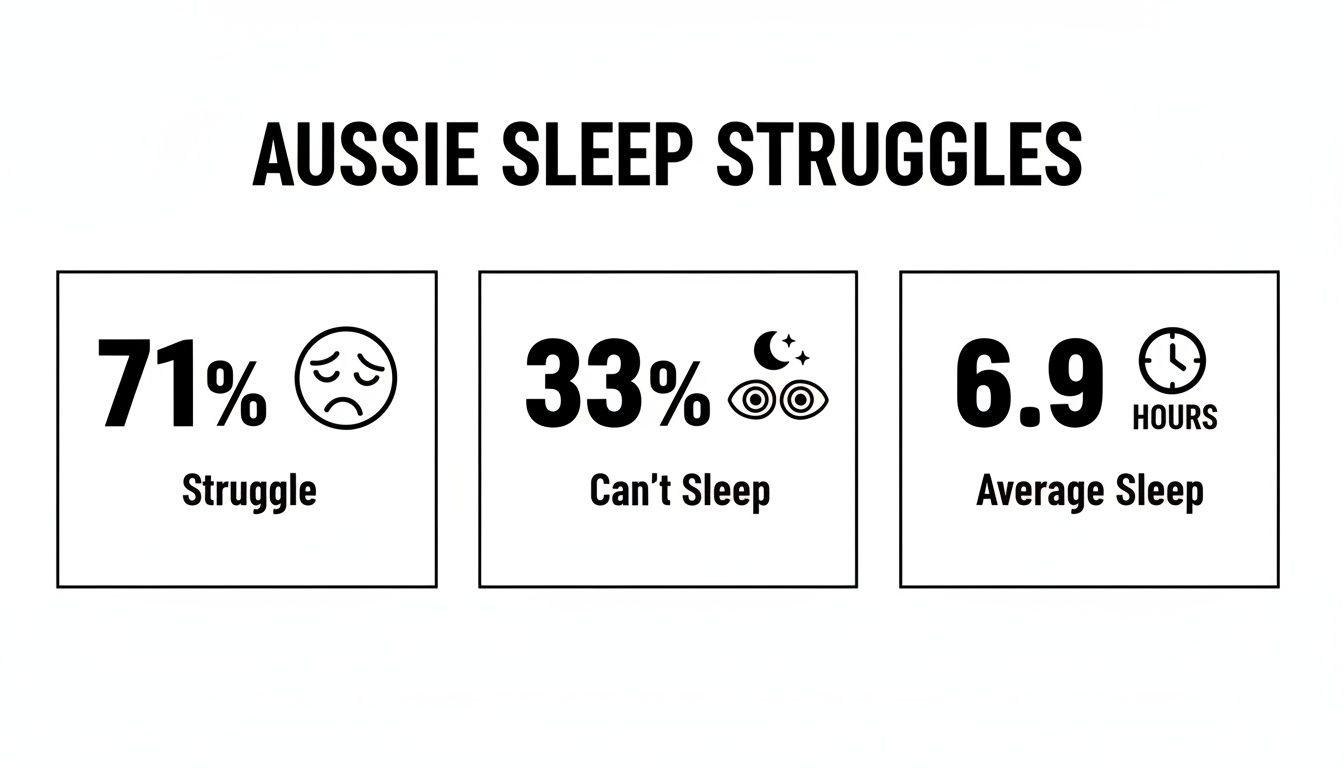
According to research from the Sleep Health Foundation, a staggering 45% of Australian adults feel they don't get enough sleep, which can significantly impact their daily lives. You can discover more insights about Australian sleep struggles on sbs.com.au.
Master the Darkness
Your body's internal clock is incredibly sensitive to light. Even a tiny glow from a phone charger can disrupt the production of melatonin—the hormone that signals bedtime.
Here are a few simple ways to reclaim the darkness:
- Invest in Blackout Curtains: These are a game-changer for blocking streetlights and creating a cave-like environment perfect for sleep.
- Cover Small Electronics: Use a piece of tape or a light-dimming sticker to cover any glowing lights on chargers or TVs.
- Embrace a Sleep Mask: If curtains aren't an option, a comfortable sleep mask blocks light right at the source.
Control Your Climate for Better Sleep
Ever woken up feeling too hot or cold? Your room's temperature plays a huge role in sleep quality. The ideal range for sleep is generally between 16°C and 19°C. A room that's too warm leads to restless nights.
For example, someone living in humid Queensland might find themselves tossing and turning. Switching to moisture-wicking materials like those found in our Sienna Living collection can be a game-changer. These fabrics pull sweat away from the body, keeping you cool and comfortable all night.
For more inspiration on creating a restful space, explore our luxury bedroom design ideas.
Create a Quiet Haven
Unwanted noise is a major sleep disruptor, from a partner's snoring to traffic outside. It can pull you out of deep sleep even if you don't fully wake up.
Practical Sound-Proofing Solutions:
- White Noise Machines: These devices create a consistent sound that masks abrupt noises like a slamming door or a barking dog. A fan can work well too.
- Earplugs: A simple and effective solution for light sleepers or those with noisy partners.
- Strategic Room Setup: Placing a bookshelf against a shared wall or using heavy curtains can help dampen external sounds.
Why Your Bedding Is the Secret to a Great Night's Sleep
We spend about a third of our lives in bed, yet we often overlook the very fabric we sleep on. Your bedding isn't just decoration; it's high-performance gear for rest. Learning how to improve sleep quality starts with the material touching your skin all night long.
Many of us unknowingly sabotage our sleep with synthetic materials like polyester that don't breathe. These fabrics trap heat and moisture, creating a humid microclimate that causes you to toss and turn. This works directly against your body's natural need to cool down to enter deep sleep.
The Magic of Natural, Breathable Fabrics
The answer is swapping synthetics for natural fibres that work with your body. Materials like bamboo, feather, and down are superstars at regulating temperature and wicking away moisture. It’s like choosing clothes for the gym—you wouldn't run in a vinyl raincoat. The same logic applies to your bed. Natural fibres let air flow freely, keeping you comfortable all night.
This is essential for hot sleepers or anyone trying to get through a sweltering Australian summer. To learn more about this, check out our article on why breathable fabrics improve sleep quality.
A Game-Changer for Allergies and Sensitive Skin
The right bedding can also bring huge relief to those with allergies or sensitive skin. Synthetic fabrics can trap dust mites and other allergens, triggering reactions that ruin your sleep.
A customer from Sydney once told us she was constantly waking up with itchy skin. She tried everything, but nothing worked until she switched to our naturally hypoallergenic bamboo sheets. The irritation vanished, and she could finally sleep soundly.
Why Natural Materials Are Better:
- Bamboo Fabric: Famous for its silky-soft feel, bamboo is incredibly breathable and wicks moisture away. Its natural antimicrobial properties also keep sheets fresher for longer.
- Feather & Down: Nothing beats the luxurious, cloud-like warmth of a feather and down quilt. They provide amazing insulation without the weight, trapping air to keep you cosy without overheating.
If you need more help choosing, our ultimate guide to choosing the right bed sheets breaks everything down in detail.
Build Daily Habits That Lead to Better Nights
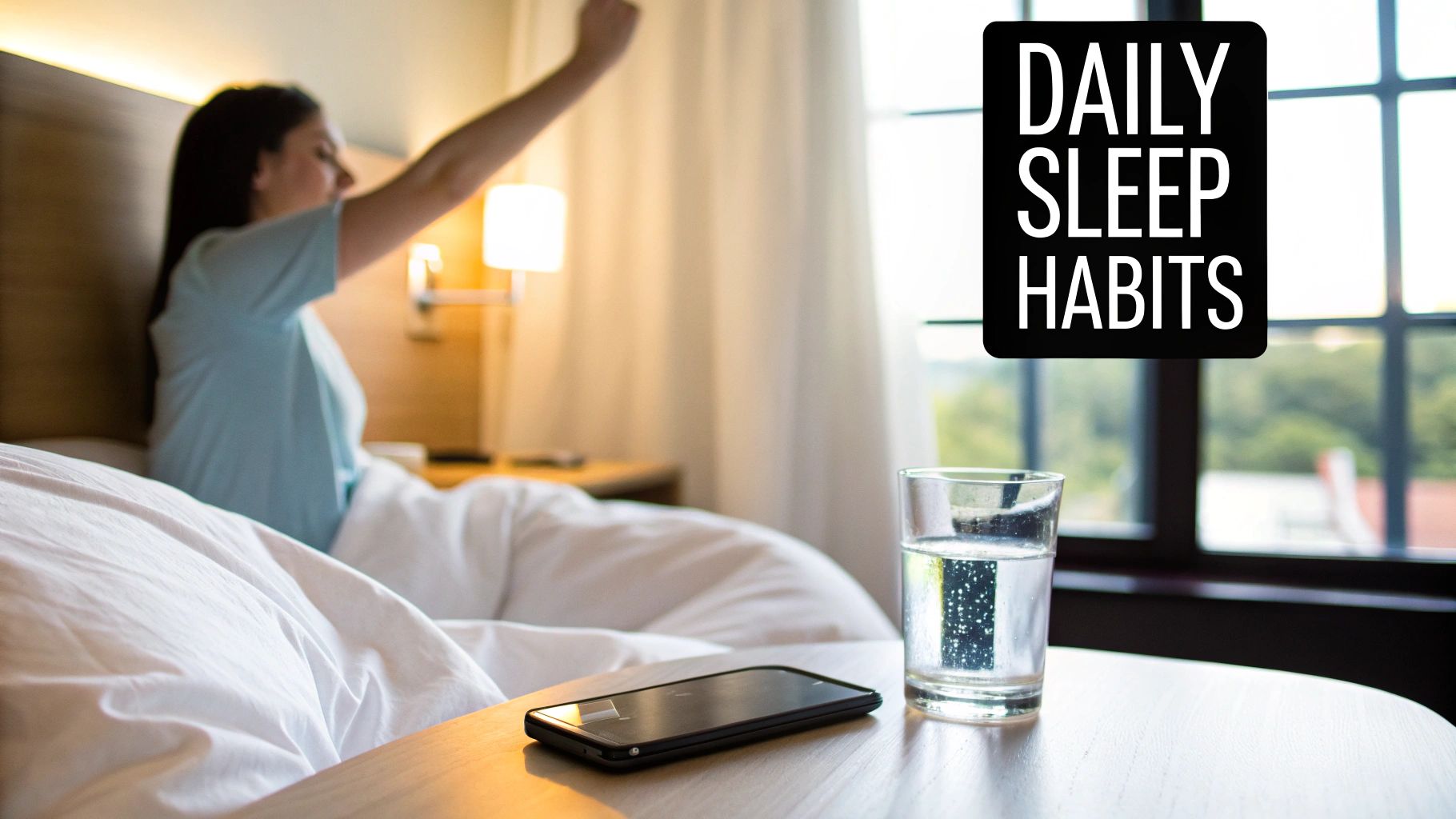
A great night's sleep is the result of smart choices you make all day long. Mastering your daily routines, or 'sleep hygiene', is one of the most powerful ways to improve sleep quality without spending a cent. These small, consistent habits sync up your body's internal clock, making it easier to drift off and stay asleep.
Tune Your Internal Body Clock
Your body runs on a 24-hour cycle called the circadian rhythm. When it's stable, your body knows when to power down for sleep and when to wake up refreshed. The key is consistency.
Going to bed and waking up at the same time every day—yes, even on weekends—is the most effective thing you can do. Sleeping in might feel good, but it gives you a mini dose of jet lag, making it harder to fall asleep on Sunday night. Another trick is getting natural sunlight for 15 minutes right after you wake up. This signals to your brain that the day has begun.
Create a Relaxing Wind-Down Routine
What you do in the hours before bed has a massive impact on your sleep. Caffeine's effects can last for hours, so a good rule is to cut it off at least eight hours before you plan to sleep.
The hour before bed should be a transition period. Put your devices away, as the blue light from screens suppresses the sleep hormone melatonin.
Effective Wind-Down Activities:
- Read a physical book: Swap scrolling for reading to calm your mind.
- Try gentle stretching: Release the day's tension and relax your muscles.
- Take a warm bath: The drop in your body temperature after you get out helps trigger a sleepy state.
If racing thoughts keep you awake, it's worth exploring strategies to stop intrusive thoughts at night. And for physical comfort, ensure you have proper support. Our guide on how to choose the right pillow can help you find the perfect one.
Conclusion: Your Next Step to a Better Night’s Rest
We've covered how to create a restful environment, build sleep-friendly habits, and choose the right bedding. The secret to truly transformative sleep is combining these three elements. When they work in harmony, you unlock consistently better nights and more vibrant days.
The path to better sleep starts with one small, manageable step. Maybe it’s buying blackout curtains, or maybe it's the realisation that your sheets are working against you. This is where the right bedding becomes an investment in your wellbeing.
Feeling ready to make a change? Start with one thing from this guide this week. If you've decided your bedding is the best place to start, we can help.
Browse our complete collection and find your perfect match.
Got Questions About Getting Better Sleep? We Have Answers
Starting the journey to better rest often brings up questions. Here are clear, practical answers to some of the most common queries about how to improve sleep quality.
What’s the Single Most Impactful Change I Can Make Tonight?
The quickest win comes from optimising your sleep environment. Tonight, focus on making your bedroom as cool, dark, and quiet as possible. Lower your thermostat, block out all light, and use a fan or white noise machine to mask sounds. This simple trio sends a powerful signal to your body that it’s time to rest.
Are Bamboo Sheets Really That Much Better Than High-Thread-Count Cotton?
For many people in Australia's varied climate, yes. While high-thread-count cotton is lovely, bamboo is a performance fabric built for sleep. It offers superior breathability to let heat escape, wicks moisture away to keep you dry, and is naturally hypoallergenic, making it ideal for sensitive skin. We break down whether bamboo sheets are a good choice in more detail on our blog.
How Long Does It Take to Actually See Results?
You can feel the benefits of environmental changes—like a cooler room—the very same night. However, habit-based changes, like a new sleep schedule, usually take a couple of weeks of consistency for your body’s internal clock to fully adapt. The key is patience. Stick with it, and you'll notice a real improvement.
When Should I Talk to a Doctor About My Sleep?
Lifestyle changes are powerful, but they can't fix everything. If you've tried these strategies for several weeks and are still struggling, it might be time to chat with a healthcare professional. For many, addressing sleep anxiety can also offer fantastic techniques.
Seek professional advice if you consistently experience:
- Chronic insomnia (trouble sleeping most nights).
- Loud, persistent snoring, especially if you gasp in your sleep.
- Serious daytime grogginess that interferes with daily life.
- An irresistible urge to move your legs at night.
These could be signs of a sleep disorder that needs medical treatment. Your doctor is the best person to help diagnose the root cause and get you on the right path.