

Tired of tossing and turning on hot, stuffy nights? You’re not alone. Many Australians are upgrading their sleep experience, and one material is leading the charge: bamboo. If you've been looking at options like Adairs bamboo sheets, you’re on the right track to discovering a new level of comfort. This guide cuts through the hype to give you clear, actionable insights into why these sheets might be the game-changer your bedroom needs.
Let's get straight to what matters. The Australian home textiles market is booming, expected to hit USD 2.24 billion by 2025, and bed linen is a huge part of that. This tells us one thing: Aussies are serious about investing in quality sleep. We’re all searching for bedding that feels amazing and actually delivers on its promises. You can explore the full market analysis on mordorintelligence.com.
This guide is your practical cheat sheet. We'll explore how bamboo fabric feels, why it's so resilient, and what makes it an eco-friendly choice, so you can make a smart, confident decision.
Why Is Everyone Talking About Bamboo Bedding?
Not long ago, bamboo sheets were a niche luxury. Now, they're a staple in homes across Australia, and for good reason. They offer a unique mix of benefits that other fabrics can't quite match, making them perfect for our country's varied climate.
So, what's the fuss about?
- Unbelievably Soft: People often say bamboo feels like a cross between silk and cashmere. It has an incredibly smooth, buttery texture that’s a dream against your skin.
- Year-Round Temperature Control: The fibres are naturally breathable. They wick moisture away to keep you cool on sticky summer nights, yet feel warm and cosy when the temperature drops.
- Naturally Hypoallergenic: Bamboo naturally resists dust mites, mould, and mildew. This makes it a fantastic choice for anyone with allergies, asthma, or sensitive skin.
Imagine it's a humid summer night in Queensland. Instead of waking up sticky and tangled, you feel cool and dry because your sheets are actively pulling moisture away from your body. That's the practical magic of bamboo.
Making a Smart Choice
With so many sheets on the market, picking the right set can feel overwhelming. The trick is to focus on what really counts. Once you know what to look for—like fabric weaves or certifications—you can invest with complete confidence. For a more detailed breakdown, have a look at our ultimate guide to choosing the right bed sheets.
Next, we’ll get into how bamboo fabric is made, compare it to classics like cotton, and give you simple tips for keeping your new sheets feeling amazing.
How Bamboo Stalks Become Silky Soft Sheets
It sounds like magic: turning a tough, woody plant into fabric softer than silk. The reality is a clever blend of nature and technology. This process transforms raw bamboo into the luxurious bedding you find in high-quality sheet sets, giving the fabric its incredible qualities.
The process starts much like making paper. Mature bamboo is harvested and crushed into a fine pulp. This pulp is the raw material from which the plant's core building block, cellulose, is extracted.
From Plant Pulp to Silky Threads
Once the pulp is ready, the real transformation begins. The cellulose is dissolved using a non-toxic solvent in a closed-loop system. This is a huge win for sustainability, as the solvent is captured, purified, and reused, keeping waste to an absolute minimum.
This step creates a thick, syrupy liquid known as viscose. If you're curious about the finer details, we've put together a full explanation of what viscose from bamboo is and how it's made. This viscose solution is the key to the final fabric.
The diagram below gives you a simplified look at the process.
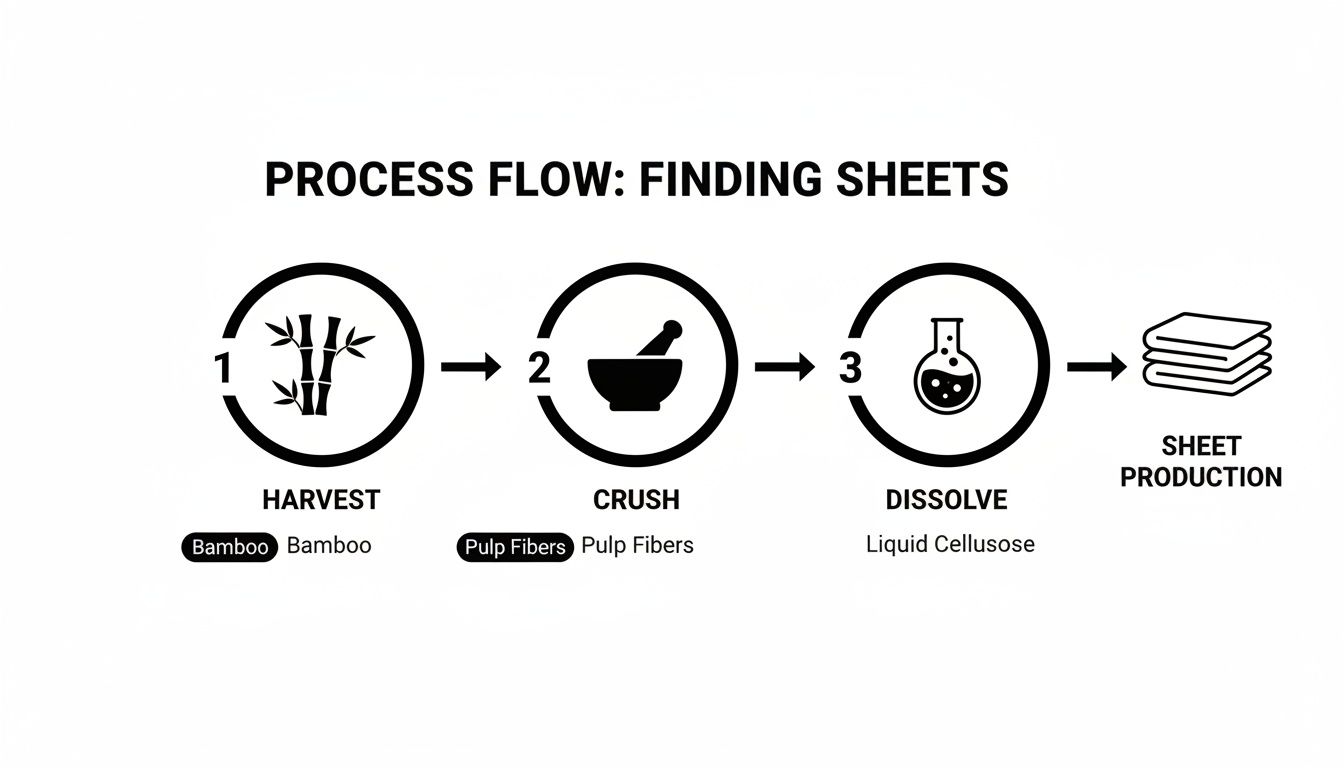
As you can see, turning a sturdy plant into a soft, dream-worthy textile involves a few key, transformative steps.
Next, the viscose is forced through a spinneret, which has thousands of tiny holes, much like a spider spinning a web. As the liquid emerges, it solidifies into incredibly fine, soft filaments. These delicate threads are then spun into a strong, smooth yarn, ready for weaving.
Weaving the Fabric of Good Sleep
The final stage is weaving this beautiful bamboo yarn into large sheets of fabric. The weave makes a big difference to the final feel. A sateen weave, for example, is a popular choice because it creates that signature lustrous sheen and silky-smooth surface that drapes beautifully.
This carefully engineered method is what gives bamboo sheets their most loved characteristics:
- Incredible Softness: The process creates long, smooth fibres that resist pilling and feel amazing.
- Lasting Strength: Don't let the delicate feel fool you. The yarn is spun for strength, so your sheets will last for years.
- Breathable Structure: The final weave allows air to move freely, which is the secret to its temperature-regulating properties.
This process ensures you end up with a piece of textile engineering designed for superior comfort, turning a fast-growing, sustainable plant into a nightly luxury.
Comparing Bamboo With Cotton And Linen Bedding
Choosing new bedding can feel like deciding between a trusted old friend and an exciting newcomer. When looking at options like bamboo sheets, you might wonder how they stack up against classics like cotton and linen. Let's look past the marketing to what really matters for a great night's sleep.
We’ll break down the real-world differences in feel, temperature control, and durability. Each fabric offers a unique experience, and finding the right one is key to creating your perfect sleep sanctuary.
The Ultimate Softness Showdown
The first thing you'll notice about new sheets is their touch. This is where the contrast is most obvious.
- Bamboo: Uniquely silky and smooth. It’s often compared to a blend of cashmere and silk. It drapes beautifully with a buttery softness that minimizes friction on your skin.
- Egyptian Cotton: Famous for its crisp, cool, and clean feel. Good quality cotton is substantial yet smooth, keeping that classic, five-star hotel crispness.
- Linen: Celebrated for its natural, slightly textured handle. Linen starts off a bit earthy but becomes incredibly soft and supple over time.
While cotton offers familiar crisp comfort, bamboo delivers a fluid, gentle touch that's in a class of its own—a game-changer for people with sensitive skin.
A Masterclass In Temperature Regulation
For most of us in Australia, sleeping cool is a necessity, especially during long, humid summers. This is where bamboo truly shines.
Bamboo fabric is naturally porous, with micro-gaps that make it incredibly breathable. It actively pulls moisture away from your skin so it can evaporate quickly, creating a cooling effect. In fact, bamboo can absorb up to three times its weight in water, making it a formidable opponent against night sweats.
Think of it this way: the fabric’s structure is built to breathe, preventing hot air and humidity from getting trapped, which is a common issue with heavier cotton weaves.
Cotton is breathable but tends to hold moisture, which can leave you feeling clammy. Linen is also fantastic at thermoregulation, but its looser weave might not offer the same consistent cooling sensation as bamboo.
Here’s a quick breakdown to help you see the differences at a glance.
Bamboo vs Cotton vs Linen At a Glance
| Feature | Bamboo Viscose | Egyptian Cotton | Linen |
|---|---|---|---|
| Feel | Silky, smooth, and fluid | Crisp, cool, and substantial | Textured, airy, and relaxed |
| Softness | Exceptionally soft from day one | Softens significantly over time | Becomes softer with every wash |
| Breathability | Excellent; actively wicks moisture | Good, but can retain moisture | Superior; very airy and light |
| Temperature | Cooling effect, ideal for hot sleepers | Adaptable, but can feel warm | Excellent for both warm and cool nights |
| Durability | Very durable, pilling-resistant | Extremely strong and long-lasting | One of the strongest natural fibres |
| Skin Friendliness | Naturally hypoallergenic & antimicrobial | Generally good for skin | Natural and breathable |
The right choice always comes down to what you value most in your bedding.
Durability And Long-Term Value
When you invest in quality bedding, you want it to last. All three materials are built to go the distance.
- Bamboo: Woven from long, resilient fibres, bamboo fabric holds up well against pilling and tearing. With proper care—a cold, gentle wash—it will keep its silky feel for years.
- Egyptian Cotton: Legendary for its long-staple fibres, which make it exceptionally strong. It famously gets softer over time.
- Linen: Known as one of the strongest natural fibres on the planet. Linen bedding can last for decades, becoming more comfortable with every wash.
If you're tossing up between the two most popular choices, our guide on cotton vs bamboo sheets provides a more detailed comparison.
Hypoallergenic And Skin-Friendly Properties
If you have sensitive skin, allergies, or asthma, your sheets can make a huge difference.
This is another area where bamboo has a natural edge. It's inherently hypoallergenic and has antimicrobial properties, meaning it resists common allergens like dust mites and mould. Its smooth fibres are also non-irritating, making it a soothing choice for those with eczema.
While high-quality cotton and linen are lovely natural materials, they don't have the same built-in antimicrobial defences. This gives bamboo a clear advantage for anyone looking to create a healthier sleep environment.
In the end, while cotton and linen are fantastic choices, bamboo sheets present a compelling package of silky softness, superior temperature control, and natural hypoallergenic benefits that’s tough to beat.
The Real-World Benefits of Sleeping on Bamboo Sheets
Sure, bamboo sheets are soft, but the real magic is in the practical benefits that improve how you sleep. This is about building a smarter, healthier sleep environment. From being gentle on sensitive skin to acting like a personal thermostat, the advantages are woven into every fibre.
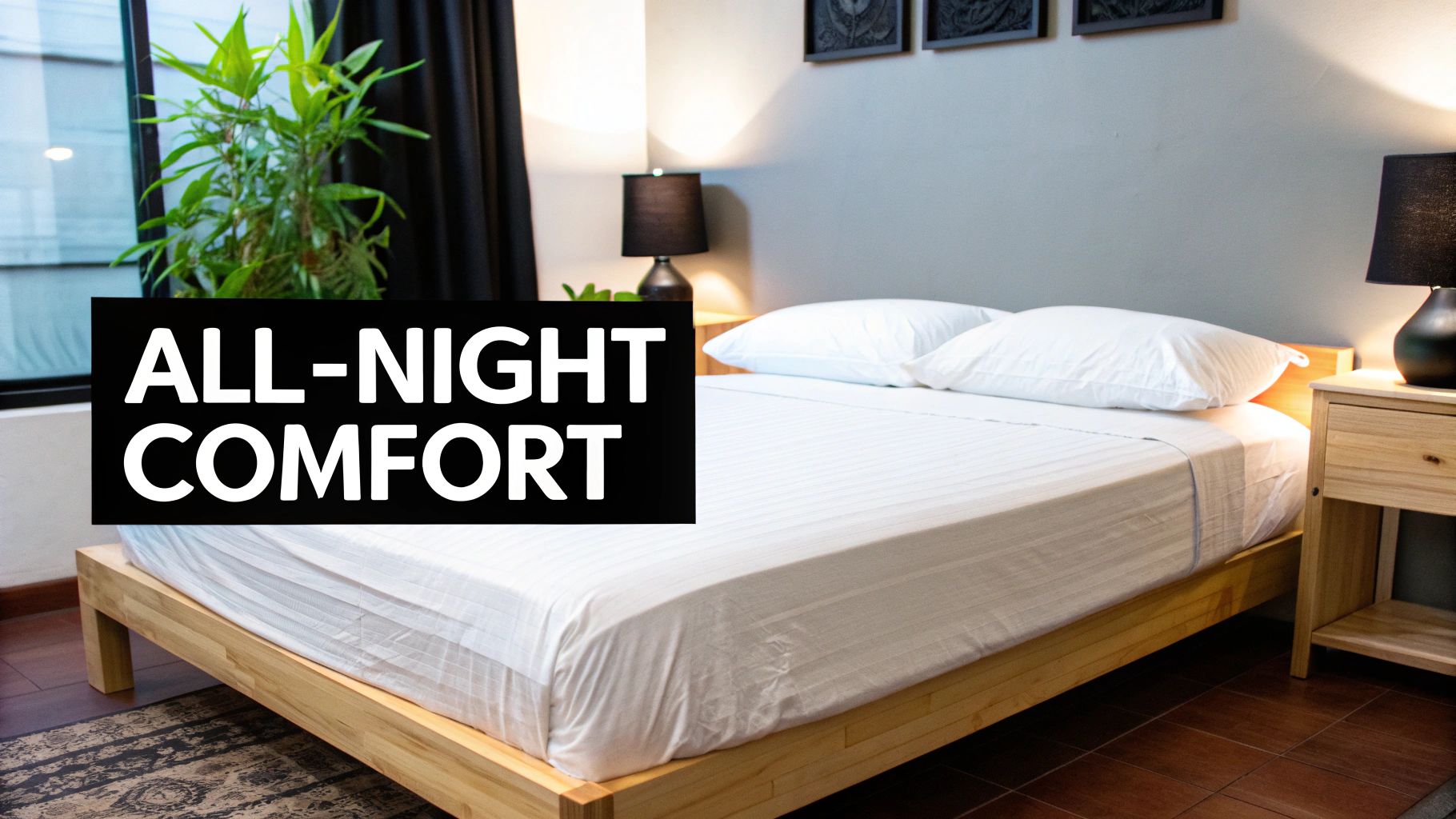
Making the switch can turn your bed into a true sanctuary. Let's get into why.
A Soothing Touch For Sensitive Skin
If you deal with sensitive skin, you know how disruptive a rough fabric can be. Bamboo sheets can be a game-changer. The fibres are naturally smooth and rounded, gliding over your skin instead of causing friction.
For anyone with conditions like eczema, this means a more soothing, less irritating night's sleep. Bamboo is also naturally hypoallergenic and has antimicrobial properties, actively resisting allergens like dust mites and mould. Considering research suggests dust mites are a common trigger for allergies and asthma, choosing the right bedding is a massive step toward better health.
Think of bamboo sheets as a gentle, protective cocoon. They don't just feel amazing; they help create a cleaner, more hygienic space for you to rest properly.
Your Own Personal Climate Control
One of the most talked-about qualities of bamboo sheets is their incredible temperature regulation, perfect for Australia’s climate. The fabric is full of micro-gaps, creating a breathable weave that adapts to your body's needs.
On warm nights, this structure wicks moisture away, keeping you cool and dry. Come winter, those same gaps trap warm air, offering a layer of cosy insulation without feeling stuffy.
This built-in thermoregulation means you stay comfortable all year. No more kicking off the covers in a sweat or piling on extra blankets. If you want to get into the nitty-gritty, you can explore the full benefits of bamboo sheets in our detailed guide.
A Choice You Can Feel Good About
When you choose bamboo, you’re also making a decision that’s kinder to the planet. Bamboo is one of the fastest-growing plants on Earth, a highly renewable resource that can be harvested without damaging the ecosystem.
It needs far less water than conventional cotton and regrows from its own roots, so there's no need for constant replanting. This sustainable growth cycle makes bamboo a genuinely eco-conscious choice.
Picking the right bedding is about more than just matching decor; it’s about creating a space that can seriously enhance overall comfy living. With their unique combination of benefits, bamboo sheets are a practical way to upgrade your nightly rest.
How To Shop For Bamboo Sheets
Ready to invest in better sleep? Good on you. Knowing what to look for will help you choose the perfect set. Paying attention to a few key details will ensure you get the luxurious comfort and lasting quality you're after.
This isn’t just about buying another piece of bedding. It’s about making a smart investment in your rest.
Look At The Weave
How the threads are woven together has a massive impact on how the fabric feels. You'll generally come across two main types: sateen and twill.
- Sateen Weave: This is your ticket to that signature silky, lustrous finish. It has a smooth, buttery feel that drapes beautifully.
- Twill Weave: This weave produces a more durable, matte-finish fabric. It has a slightly more textured feel but is incredibly resilient.
Most people chasing that classic, cloud-like softness will gravitate towards a sateen weave.
Understand Thread Count
Forget what you know about cotton—when it comes to bamboo, a higher thread count isn't always better. Bamboo fibres are naturally so fine and soft that you don't need a crazy-high count to get that incredible feel.
The sweet spot for bamboo sheets is typically between a 300 and 500 thread count. This range strikes the perfect balance of softness, breathability, and durability. Getting caught up in chasing a high number can be misleading; focus on the quality of the bamboo viscose itself.
Check For Certifications
To ensure your sheets are as healthy as they are comfortable, look for independent certifications. The most important one is the OEKO-TEX Standard 100 label. This guarantees that every component has been tested for harmful substances and is safe for you and your family.
This certification is your peace of mind, confirming your bedding is free from nasty chemicals. For a deeper dive, you can explore our guide on what viscose from bamboo actually is and how it’s made.
Consider The Company Policies
A company's confidence in its product is often reflected in its policies. Before you buy, check the brand’s customer service. A generous warranty and a sleep trial are powerful signals of quality.
In Australia's competitive market, things like free shipping and a long warranty are crucial. Find out more about Australian retail trends at Insider Retail. When a company offers a risk-free trial, it shows they're committed to your satisfaction.
As you explore bamboo bedding, you might also be interested in other products made from this sustainable material, like the various bamboo pajamas available.
By keeping these points in mind, you can shop with confidence. For more general advice, our ultimate guide to choosing bed sheets covers all the bases. Next, learn how to care for your new investment.
Keeping Your Bamboo Sheets Soft and Durable
You’ve invested in bamboo sheets, and now you get to enjoy that incredible silky softness. To make sure they stay that way, a little thoughtful care goes a long way. Think of them like a favourite silk shirt—gentle treatment is the secret to preserving their luxurious feel.
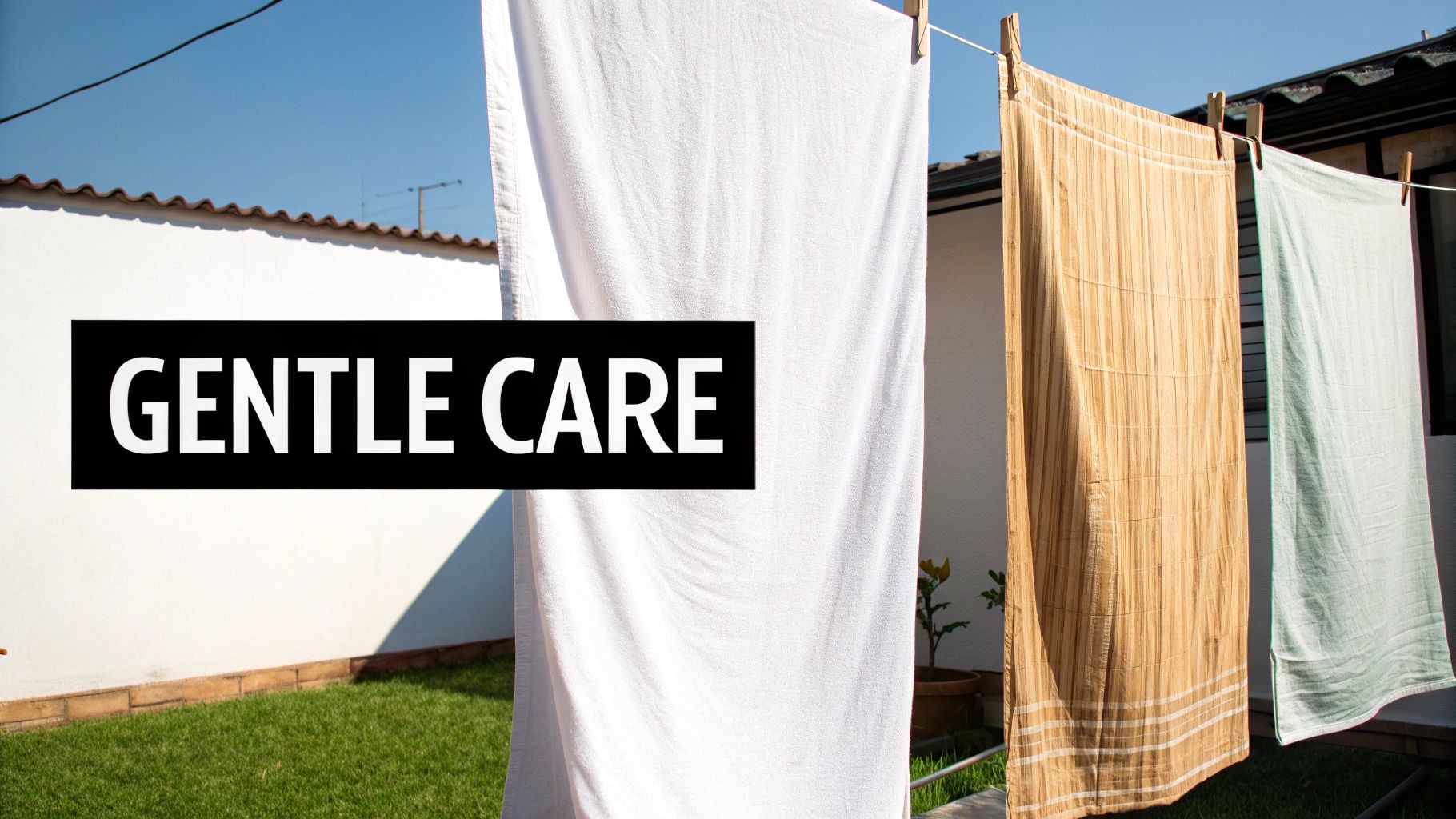
The great news? Caring for bamboo isn't complicated. The main goal is to protect the delicate, smooth fibres that give the sheets their buttery texture. Harsh washing or strong chemicals can rough up these fibres.
The Right Way to Wash
Always wash your bamboo sheets in cold water on a gentle cycle. Hot water can cause the fibres to shrink and feel less soft. It’s also a good idea to wash them on their own, away from items with zippers that could snag the threads.
Stick with a mild, liquid detergent. Powdered detergents can sometimes leave a residue that dulls the fabric’s feel.
One of the most important things to remember is to avoid fabric softeners and bleach. These products coat the fibres, reducing their natural softness and ability to wick moisture. Trust us, your sheets are already as soft as they need to be!
For a more detailed walkthrough, our complete guide explains exactly how to wash bamboo sheets.
Drying for Maximum Softness
When it’s time to dry, nothing beats the clothesline. Air-drying your sheets out of direct sunlight is the best way to preserve the fibres and prevent shrinkage.
If you need to use a machine, choose the lowest heat setting or a no-heat tumble dry option. High heat is the main enemy of bamboo fibres. Pull them out as soon as the cycle is done to stop wrinkles from setting in. A little care like this ensures your sheets will remain a luxurious escape.
Your Bamboo Bedding Questions, Answered
Thinking about making the switch to bamboo sheets? It's natural to have a few questions. We’ve put together straightforward answers to the questions we hear most often.
Are Bamboo Sheets a Good Choice for Hot Sleepers?
They’re not just good; they’re fantastic. Bamboo fabric is a game-changer for anyone who runs hot at night, thanks to its natural temperature regulation.
The material is incredibly breathable and wicks moisture away from your skin, keeping you cool and dry. This is why options like Adairs bamboo sheets have become so popular.
If you're tired of waking up overheated, bamboo is a brilliant alternative to traditional cotton. For a deeper dive, check out our bamboo vs cotton sheets comparison.
Am I Going to Be Fighting Wrinkles All the Time?
It's true, bamboo sheets can wrinkle a bit, especially after a wash. This is a side effect of the long, smooth fibres that give them their silky softness. But it's easy to manage.
The best trick is to pull them out of the dryer while they're still slightly damp. Give them a good shake and put them straight on the bed—the wrinkles will naturally smooth out as they finish drying.
How Long Can I Expect My Bamboo Sheets to Last?
A high-quality set of bamboo sheets can easily last for several years with the right care. Their durability comes from the long, strong plant fibres they’re made from.
The secret to making them last is gentle care. Think cold water washes, a mild detergent, and skipping the high-heat tumble dry. This simple routine will protect the fabric's strength and softness.
Following these steps is key, and you can find all the details in our guide on how to wash bamboo sheets.
So, Is Bamboo Bedding Really Worth the Money?
Honestly, if you value incredible comfort, want something kind to your skin, and care about making sustainable choices, then yes—bamboo bedding is absolutely worth it. The unique combination of silky softness, hypoallergenic properties, and temperature control adds up to a better night's sleep.
While the upfront cost might be slightly higher, the long-term benefits and impressive durability deliver fantastic value. If you're still on the fence, learning more about the benefits of bamboo sheets might help you decide.
Ready to feel the difference for yourself? At Sienna Living, we're passionate about creating the perfect sleep environment with our luxurious bamboo bedding. We invite you to explore our collection and enjoy complimentary worldwide shipping, next-day dispatch, and a 365-day warranty for total peace of mind.