

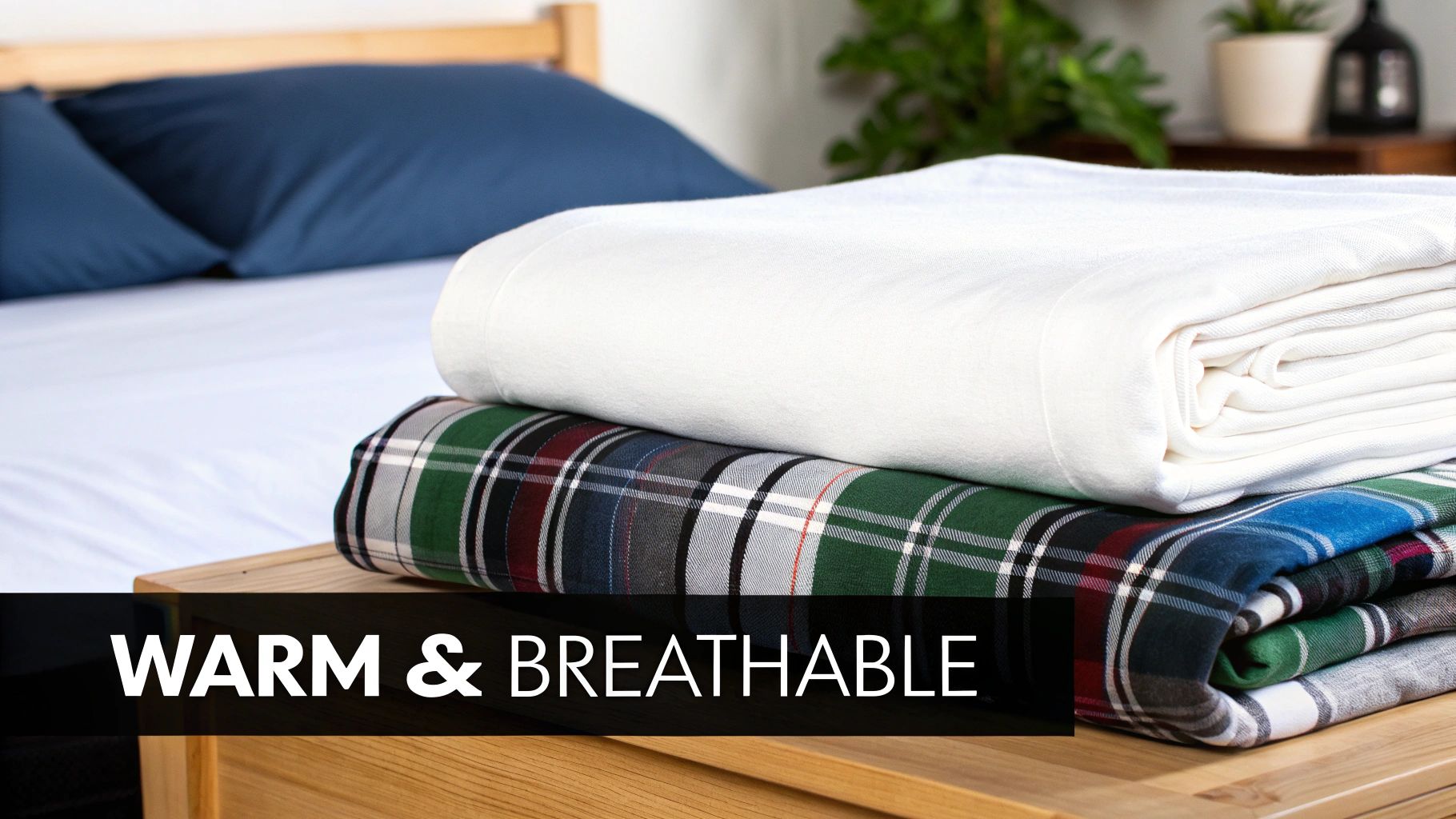
Is your bedroom missing that snug winter vibe? The secret lies in a bedsheet for winter that holds warmth close while whisking away dampness. Pair it with smart layering and simple care, and you’ll drift off in comfort every night.
Choosing the Right Bedsheet for Winter
Before you shop, zero in on these core elements:
- Material Performance: Find fabrics that balance warmth with moisture wicking.
- Layering Synergy: Make sure your sheets work seamlessly with quilts and toppers.
- Care Demands: Gentle machine washes and low-heat drying keep fibres fluffy and insulating.
- Premium Features: Seek out hypoallergenic, eco-friendly options for extra peace of mind.
For a deep dive into fabric choices, check out our detailed bed sheets guide.
Winter Bedsheet Selection At A Glance
Use this snapshot to match your priorities in seconds:
| Material | Warmth Level | Breathability | Care Complexity |
|---|---|---|---|
| Flannel | High | Moderate | Medium |
| Brushed Cotton | Medium–High | High | Low |
| Fleece | Very High | Low | Medium |
| Bamboo Blend | Medium | Very High | Low |
This table highlights how each fabric juggles insulation, airflow and upkeep so you can pick the perfect fit.
Why Insulation And Airflow Matter
A quality winter sheet acts like a heat-retaining cocoon around your body. Without proper airflow, moisture builds up and leaves you feeling clammy rather than cosy.
Imagine a dense flannel sheet versus a bamboo blend. The flannel traps more warmth; the bamboo lets excess heat escape. By understanding this trade-off, you can stay toasty without overheating.
How This Guide Empowers You
You’re about to explore:
- The science behind top winter fabrics
- Layering tricks that let you dial temperature up or down
- Care routines that extend sheet life by 25% or more
Think of your winter bedsheet as your favourite jumper: it needs to insulate on cold nights and still breathe when things warm up.
Understanding Winter Bedsheet Concepts
Picture your winter bedsheet as the snug jumper you slip on when the air bites. Material choice, weave and fabric weight work together to hold in warmth without leaving you dripping in sweat.
From flannel’s gentle nap to fleece’s insulating backing, each layer plays a role in settling your bed into the perfect microclimate.
Key Material Attributes
When you shop for a cold-weather sheet, look for these standout features:
- Flannel offers a soft, brushed surface and high warmth at over 200 GSM.
- Brushed cotton strikes a sweet spot between insulation and breathability, keeping you warm but not overheated.
- Fleece locks in heat aggressively, though it trades off some airflow.
- Microfiber blends feel lightweight, yet wick moisture efficiently.
A proper winter sheet balances insulation and airflow to keep you cosy without clammy nights.
Weave And Density Impact
A tiny shift in thread count or GSM can change the whole experience. A tighter weave slows moisture escape, while a lighter density lets air move more freely.
| Attribute | Effect |
|---|---|
| Higher GSM | Better heat retention |
| Tighter Weave | Slower moisture evaporation |
| Brushed Nap | Extra softness and loft |
This table drives home why checking both GSM and weave is vital for that snug, just-right feel.
Thermal Regulation Trade-Offs
Flannel shines on frosty nights by trapping warmth close to your skin. On the other hand, microfiber allows excess heat to escape, which works wonders for anyone who naturally runs hot.
Bear in mind, room humidity and your personal heat output also shape how these fabrics perform. Matching material to your sleep style means fewer nighttime wake-ups from being too cold—or too hot.
Hypoallergenic Material Options
If dust mites or sensitivity keep you tossing and turning, these fabrics deserve a look:
- Bamboo-derived sheets come with natural antimicrobial benefits.
- Microfiber blends dry fast and resist mould growth.
- OEKO-TEX certified options guarantee lower chemical residues.
You might like to explore The Science Behind Breathable Fabrics and Sleep for a deeper dive into moisture control.
Market Trends And Consumer Picks
Winter bed linen consistently tops Australian home textile sales. In fact, bed sheets alone made up 38.3% of the local home textiles market revenue last cold season.
High-GSM flannel (over 200 GSM) remains the go-to for 65% of households seeking reliable warmth and moisture wicking. For a broader look at industry numbers, check the Australia Home Textiles Market Report.
Melbourne Case Study
In a suburb west of the city, a family battled 5 °C bedroom lows. Their solution? A 220 GSM flannel sheet as the base layer, topped by brushed cotton.
By the end of the week, night chills were a thing of the past, and everyone reported deeper, more refreshing sleep.
Spotting Quality Features
Before you click “buy” or head to a store, scan those labels for:
- Exact GSM ratings (aim for 200 GSM or higher in winter).
- Weave details like “brushed nap” or “anti-pilling finish”.
- A quick density check: press the fabric between your fingers to judge its heft and softness.
Always review GSM and fibre content first—marketing buzzwords can’t replace real warmth.
Label Reading Tips
Decoding fabric tags is simpler than it seems:
- Fibre blends (for instance, cotton-bamboo) often combine breathability with heat retention.
- Skip artificial coatings that block airflow.
- Look for OEKO-TEX certification to ensure your sheets are free from harmful chemicals.
Armed with these pointers, you’ll find winter bedding that feels like a warm hug night after night.
Comparing Winter Bedsheet Materials
When the temperature drops, the right bedsheet can make all the difference. This guide walks you through the most popular winter fabrics—flannel, brushed cotton, fleece and bamboo/microfibre blends—so you can choose what suits your bedroom climate best.
Take a quick look at each option before diving into the details:
- Flannel: Deep nap to trap heat.
- Brushed Cotton: Lightly napped, breathable warmth.
- Fleece: Synthetic backing for serious insulation.
- Bamboo Blends: Natural wicking with moderate warmth.
Feel the weight and texture whenever possible—many retailers offer swatches or trial programmes to eliminate surprises.
Flannel Warmth And Softness
Flannel begins life as tightly woven cotton that’s brushed to create a soft, fuzzy surface. That nap holds your body heat close.
- GSM Range: 180–300 GSM for winter weight
- Warmth Rating: Very High, perfect for sub-10 °C nights
- Care Tips: Machine wash in cool water and tumble dry low to keep the nap fluffy
If you spot a few pills over time, a gentle de-pilling brush will restore the look without affecting the warmth.
Brushed Cotton Breathability
A simple plain weave meets a light brushing process to give you insulation that still lets air flow freely. It’s ideal for sleepers who overheat.
- GSM Range: 150–230 GSM for medium–high warmth
- Warmth Rating: Medium–High with excellent airflow
- Care Tips: Use a gentle cycle and line dry to keep the nap intact
Layering a sub-10 °C-rated fleece-backed sheet over brushed cotton locks in heat while letting moisture escape—perfect for mixed climates.
Fleece Insulation Level
Fleece sheets pack synthetic fibres into a dense backing that won’t let heat slip away. They’re your go-to for extremely cold rooms.
- Warmth Rating: Very High, best for severe cold
- Breathability: Low—pair with breathable covers or under-sheets
- Cost: Generally more affordable than bamboo blends
In humid places, remember that fleece can trap moisture, so add a moisture-wicking layer for comfort.
Brushed Bamboo Advantages
Bamboo blends bring together natural fibres and a soft brushing process. They wick moisture away from the body and adapt to changing temperatures.
- Warmth Rating: Medium, great for variable winter nights
- Breathability: Very High thanks to bamboo’s natural airflow
- Hypoallergenic Qualities: Resistant to dust mites and mould
You might be interested in our guide on cotton versus bamboo cotton sheets to compare materials and performance.
In recent years the Australian bedsheet market reached USD 2,236.36 million, driven by demand for heavier flannel and fleece-lined options in cooler regions. Sustainable fibres like organic cotton and bamboo are gaining traction. Learn more about the Australia bedsheet market findings.
Key Insight: Matching fabric warmth to your bedroom temperature ensures a restful night without sweat or chills.
Winter Bedsheet Concept Map
The infographic visualises density, weave and thermal retention of each fabric in a clear concept map.
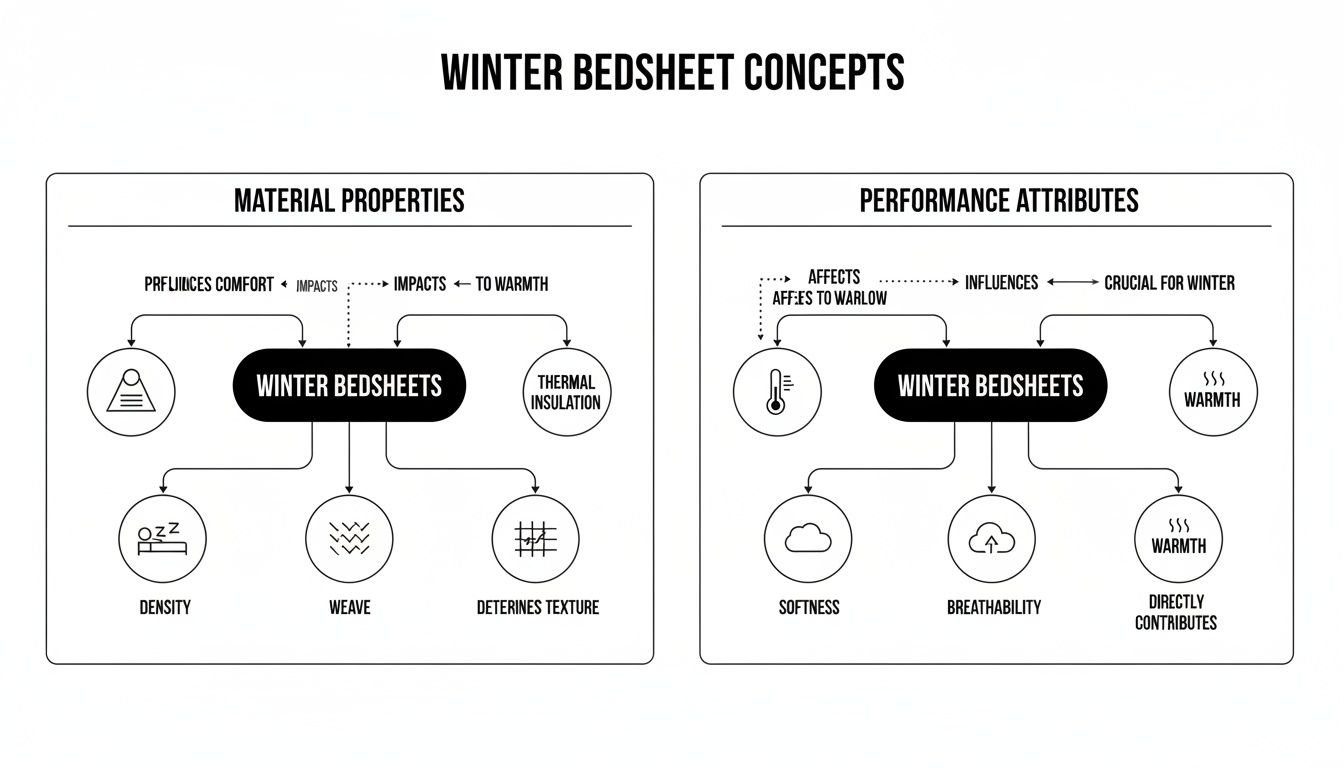
This chart highlights how heavier weaves trap more heat while lighter constructions boost airflow. Use these insights to focus on the attributes that matter most in your winter climate.
Material Comparison For Winter Bedsheets
Below is a quick-reference table to help you match the right fabric to your bedroom conditions and personal preferences.
| Material | Warmth Rating | Breathability | Best For |
|---|---|---|---|
| Flannel | Very High | Moderate | Sub-10 °C bedrooms |
| Brushed Cotton | Medium–High | High | Overheaters |
| Fleece | Very High | Low | Dry, cold climates |
| Bamboo Blend | Medium | Very High | Mixed or humid conditions |
Use this chart as a starting point. Holding samples in your hands and noting drape and texture will reveal small but crucial differences when winter really sets in.
Ready to experience ultimate warmth? Browse our premium winter sheets at Sienna Living and find your perfect match today.
Enjoy cosy nights.
Layering Sheets And Quilts For Insulation
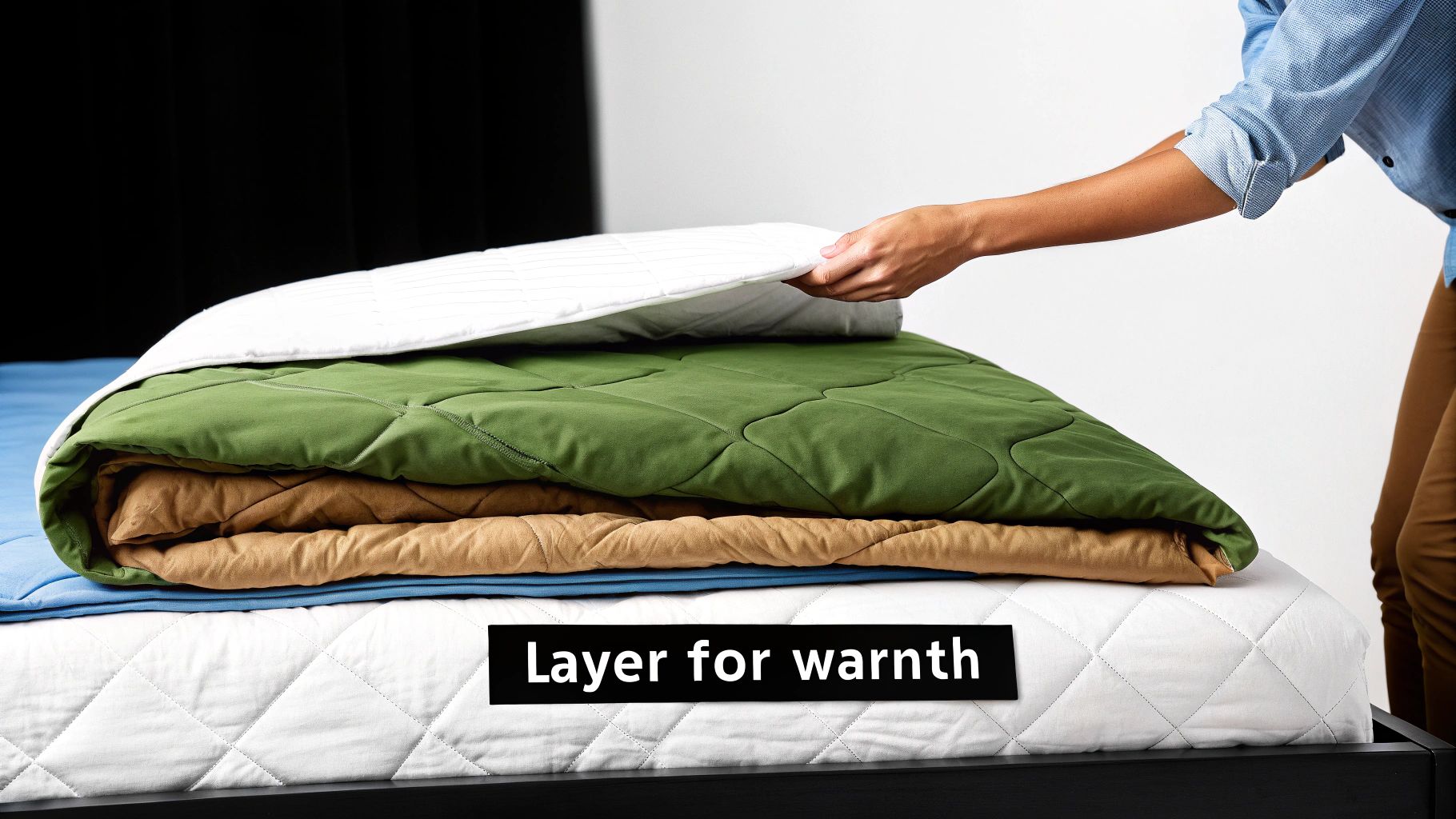
When the thermometer dips below 10 °C, layering your bedding is like suiting up in winter gear. Each sheet and quilt takes on a distinct role—trapping heat, adding bulk or wicking away moisture. With the right combination, you can fine-tune your comfort all night long.
Use these three core components for snug layering:
- Base flannel sheet to trap heat at skin level
- Mid-weight quilt for bulk insulation
- Breathable topper for moisture wicking and airflow
Measure your mattress depth carefully to avoid cold drafts at the edges. Tuck sheets neatly and secure layers with duvet clips to keep everything in place, even if you toss and turn.
Meanwhile, a breathable quilt cover—ideally in cotton or bamboo—lets humidity escape without letting heat slip away. The result? A cosy, dry sleep environment from dusk till dawn.
Building Your Layering System
Begin with a flannel base layer rated at 200 GSM. This foundation locks warmth close to your skin. Next, drape on a quilt matched to your room’s chill—Canberra bedrooms at 0 °C often call for a mid-weight down option.
For your final layer, choose a removable topper. Brushed bamboo excels here, offering about 15% more heat retention than plain cotton and keeping dampness at bay.
“A three-layer sleep system lets you tweak warmth minute by minute without juggling multiple blankets,” says sleep specialist Dr. Emily Clarke.
Notice how each layer interacts: insulation, breathability and moisture control must work in harmony. This synergy prevents you from waking up clammy or shivering.
For deeper insights on insulation metrics, check out our guide on GSM in quilts to understand weight and warmth ratings.
Practical Layering Techniques
Follow this quick checklist:
- Lay down a snug flannel sheet as your base.
- Spread a mid-weight quilt evenly, matching the edges to your mattress.
- Clip layers with duvet fasteners so they don’t shift.
- Finish with a lightweight bamboo sheet or fleece topper.
| Layer Type | Function | Key Benefit |
|---|---|---|
| Flannel Sheet | Heat retention at skin | High Insulation |
| Mid-Weight Quilt | Bulk warmth | Adjustable Thickness |
| Breathable Topper | Moisture wick and airflow | Balanced Humidity Control |
Canberra Family Case Study
A family in Canberra swapped their synthetic throw for a brushed bamboo topper under their favourite down quilt. They reported feeling 20% warmer and found their night sweats all but vanished.
Their bedroom often hits 0 °C, yet this simple change balanced heat and moisture perfectly. An extra bonus: bamboo’s natural antimicrobial traits cut down how often they needed to launder bedding.
Layering like this gives you a flexible system—sort of like peeling off layers on a crisp hike. You stay comfy without overhauling your entire setup.
Ready to build your cosy nest? Explore premium layering essentials at Sienna Living and perfect your bedsheet for winter today.
Shop now and save big.
Caring For Winter Bedsheets
Winter nights call for a little extra TLC when it comes to your bedsheets. A few thoughtful habits will keep fibres lofty, soft and snug—even when the temperature dips.
By washing, drying and storing sheets correctly, you’ll avoid that stiff feeling and ensure your bedding feels as inviting on night 90 as it does on night one.
Optimal Washing Practices
Think of your washing machine as a spa for sheets. It’s where you clear away salt, sweat and everyday grime so fibres stay fluffy.
Keep water at 30 °C and pick a gentle, pH-neutral detergent. Every fortnight—about every two weeks—run your winter sheets through a delicate cycle. Skip bleach and fabric softeners; they flatten brushed cotton and strip flannel’s cozy nap.
- Use liquid detergent: its milder formula treats fibres more kindly than powder.
- Choose a delicate cycle: slower spins reduce mechanical stress.
- Wash sheets on their own: this prevents pilling from jeans or towels.
- Give them room: don’t overload the drum for a thorough clean.
This simple routine protects insulation and curbs premature wear.
Drying And Storage Techniques
Drying is part science, part art. A low-heat tumble revives the bounce in flannel and brushed cotton without scorching the fibres. If you line-dry, watch for sharp breezes or direct sun—they can leave sheets crisp instead of cosy.
Always flip or rotate sheets halfway through line-drying. That way, every patch dries evenly and stays soft.
| Method | Pros | Cons |
|---|---|---|
| Tumble Dry | Quick fluff restoration | Heat can weaken fibres |
| Line Dry | Preserves fabric integrity | Longer drying time, possible stiffness |
Gentle tumbling with low heat restores the nap while shielding fibres from damage.
For fleece-backed sheets, toss in a pair of clean tennis balls during the cycle. They help redistribute loft and keep the backing springy.
To refresh brushed cotton’s fuzzy surface, gently comb it with a fine-toothed brush before washing. Brushing lifts the nap without pulling out threads.
And if you’re looking after fleece sheets, an occasional warm soak with a teaspoon of wool-safe wash does wonders for backing strength.
These small rituals ensure your winter bedding feels just as snug year after year.
Rotation And Off Season Storage
Rotating sheets weekly is like giving each set a break—you’ll spread out the wear and keep every fibre resilient. In a Hobart rental study, this simple swap boosted sheet lifespan by 25%.
When summer rolls around, tuck your sheets away in a breathable cotton bag or pillowcase. Avoid plastic vacuum bags; they crush the fibres and lock out air.
- Wash and dry completely: damp sheets can smell musty.
- Store in a cool, dark spot away from heat and direct sunlight.
- Drop in cedar blocks or lavender sachets to naturally deter moths.
- Steer clear of vacuum-seal storage for delicate fibres—they need to breathe.
You might be interested in our detailed guide on bamboo bedding care. Learn more about caring for bamboo sheets so they last for years.
By treating your bedding with these methods, you’ll wake up to fluffy, warm sheets ready for every frosty morning.
Ready to upgrade your sleep? Explore winter bedding options at Sienna Living and shop our premium selection today.
Shop now for cosy comfort.
Choosing Premium Bedsheet Options And Next Steps
Upgrading bedsheets for winter isn’t just about swapping fabrics—it’s about transforming restless, chilly nights into cozy, uninterrupted sleep. Better sheets can even support skin health and reduce allergy reactions, so you wake feeling refreshed.
Premium choices go beyond fluffiness. They trap warmth, manage moisture and help you avoid those dreaded night sweats.
- Bamboo-derived fabrics that adapt to body temperature and wick moisture
- Odour-resistant weaves that stay fresh wash after wash
- GOTS-certified organic cotton and CRS-verified recycled fibres for eco-friendly quality
Why Thread Counts Aren’t Everything
“Don’t chase thread count,” says Dr. Alex Murray. “Weave and fibre matter more.”
A sky-high thread count can mean nothing if the yarn is weak or cheaply spun. Instead, hunt for finishes like a soft brushed nap or built-in moisture-wicking treatments.
In Melbourne, a couple discovered that a brushed bamboo sheet set kept their feet comfortably warm on 2 °C nights—yet they never felt overheated. Their experience proves that climate-tailored fabrics make all the difference.
Similarly, an eco-conscious buyer in Perth switched to brushed bamboo and noticed fewer night sweats almost immediately. It’s a simple reminder: the right material transforms how you sleep.
Premium Fabric Certifications
Certifications are your guarantee of honest sourcing and performance.
- GOTS-certified organic cotton: sustainable farming and low-impact processing
- CRS-verified recycled fibres: real recycled content you can trust
- OEKO-TEX Standard 100: strict limits on chemical residues
Compare price points and warmth levels:
| Fabric Type | Price Range (AUD) | Lifespan | Warmth |
|---|---|---|---|
| Organic Cotton | $100–$150 | 3–5 years | Medium–High |
| Brushed Bamboo Blends | $150–$200 | 4–6 years | High |
| Fleece-Backed Flannel Sets | $200+ | 5–7 years | Very High |
Don’t forget warranty and trial details:
- 5-year warranty on fabric integrity
- 30-day trial period and clear return policies
Industry data shows the Australia home bedding market is projected to reach USD 5,833.1 million by 2030 at an 8.4% CAGR, driven by sustainable picks like bamboo which saw a 20% sales increase as consumers seek natural warmth and eco-friendly fabrics. Read the full research about these market projections.
This insight underlines why investing in premium sheets today pays off in long-term comfort—and peace of mind.
Next Steps Roadmap
Follow these steps to secure your ideal winter bedding:
- Review your current bedding for thinning fibres or lost loft.
- Order material swatches to compare texture and warmth up close.
- Apply the care tips from earlier sections to maintain softness and insulation.
Enhance your upgrade by exploring Sienna Living’s offerings:
- Discover Bamboo-Derived Sheet Sets for adaptive moisture control.
- Browse GOTS-Certified Organic Cotton Sheets for eco-friendly softness.
- Download the Winter Bedding Checklist to stay organised.
Key Insight: High thread counts alone don’t guarantee warmth; focus on fibre quality and weave finish for true performance.
Ready to transform your winter sleep? Shop the premium bedsheet for winter collection at Sienna Living today and enjoy a 365-day warranty plus fast next-day dispatch. Risk-free trial.
Conclusion
Finding the perfect bedsheet for winter means focusing on material, GSM and smart layering. Use the real-world case studies and clear care tips above to build a sleep setup that keeps you warm without overheating. Ready to upgrade? Explore Bamboo-Derived Sheet Sets or GOTS-Certified Organic Cotton Sheets at Sienna Living and start enjoying cosy, uninterrupted nights today. Shop now for winter warmth!
Frequently Asked Questions
When shopping for winter bedsheets, you’ll want clear answers on warmth, breathability and ongoing care.
-
What Is The Warmest Bedsheet Material For Winter?
Opt for flannel with at least 200 GSM or a fleece-lined cotton. These lock in body heat without adding bulk. -
How Can I Prevent Overheating With Thick Winter Sheets?
Build layers: start with flannel underneath, add a moisture-wicking bamboo blend in the middle, then finish with a lightweight, breathable topper. -
Is It Safe To Machine-Wash Flannel Each Season?
Absolutely. Use cool water, a mild neutral detergent and tumble dry on low. You can also air-dry to maintain that soft nap. -
Are Bamboo Sheets Suitable For Cold Climates?
Yes. Brushed bamboo blends naturally regulate moisture, trap warmth and resist dust mites for an allergen-free sleep experience.
Material Care Tips
Treat flannel and brushed fabrics gently. Wash in cool water on a delicate cycle with a neutral detergent to keep fibres plush and fluffy.
“Brushed bamboo offers medium warmth with very high breathability,” notes sleep expert Dr Emma Reid.
For a deeper dive, check our detailed Bedsheet Guide. It covers every material, weave and temperature profile.
Pair these tips with our Layering Guide to build your ideal winter sleep system.
Explore premium bamboo-derived sheet sets at Sienna Living.
Quick Winter Sheet Hacks
- Rotate your sheet sets weekly to spread out wear and tear.
- Use duvet clips or sheet suspenders to keep layers locked in place.
- Tuck in side hems snugly to block cold drafts.
- Monitor room humidity; aim for 40–60% to complement your bedding’s performance.
- Store off-season sheets in breathable cotton bags to protect the fibres.
What GSM Rating Works For You?
In chilly regions, look for 200–300 GSM—the sweet spot between heat retention and manageability.
Other Handy Tips
- Rotate sets weekly to boost lifespan by 25%.
- Skip fabric softeners—they coat fibres and reduce breathability.
Sleep well, night after night.
Ready to upgrade your winter bedding? Visit Sienna Living at https://www.siennaliving.com.au for our full range of cosy, high-performance sheets.