

That fresh-sheet feeling is one of life's simple pleasures, but do you know what's really hiding in your bed after just a few nights? Let's get straight to the point: how often should you be washing your sheets? For most people, the expert-backed answer is clear: once a week. This simple habit is crucial for clearing away the invisible build-up of sweat, skin cells, and allergens that gather while you sleep, making your bed a true sanctuary.
Knowing how often to wash sheets is about more than just hygiene—it's about protecting your health.
Why a Weekly Wash Is the Gold Standard

You spend about a third of your life in bed. Over that time, your sheets become a hotspot for things we’d rather not sleep with. Each night, your body sheds thousands of dead skin cells, secretes oils, and produces sweat. This creates the perfect environment for dust mites and bacteria to thrive.
While a weekly wash is a solid baseline, it’s not a one-size-fits-all rule. Your lifestyle and health can shift that schedule, sometimes demanding more frequent washing to keep your bed fresh and hygienic. You can even explore other perspectives on how often you should change your sheets to see how different factors come into play.
When to Wash Sheets More Often
Your personal routine has a huge impact on your sheets. Here are a few common situations where you’ll want to wash them more frequently:
- Allergies or Sensitive Skin: If you struggle with allergies, asthma, or skin conditions like eczema, washing sheets every 3-4 days is a game-changer. It helps remove allergens like dust mites and pollen before they can cause irritation.
- Pets on the Bed: We love cuddling our furry friends, but they bring dander, fur, and dirt into bed. If your pet shares your pillow, washing every 3-4 days is a good idea.
- Illness or Night Sweats: When you’re sick or sweat at night, your sheets become a breeding ground for bacteria. It’s best to wash them more often—even daily—until you’re feeling better or if sweating is a regular occurrence.
What's Really Lurking in Your Bed Sheets?
Let's be honest, we all love that clean-sheet feeling, but your bed quickly becomes a microscopic ecosystem. Knowing how often to wash sheets isn't just about chasing a crisp scent—it’s about protecting your health from things you can't see.
Think of it this way: you spend about 56 hours a week wrapped in your sheets. In that time, they soak up a lot more than you might think.
A Buffet for Dust Mites
Every night, your body sheds thousands of skin cells. A large portion of these end up in your bed, creating an all-you-can-eat buffet for microscopic dust mites. This build-up creates a perfect environment for allergens to flourish.
Sweat, Oils, and Bacteria
Even if you don't feel sweaty, your body releases moisture and natural oils. Over a week, that accumulation creates a damp, warm environment—the ideal breeding ground for bacteria and even fungi. This is what causes that stale smell and can clog pores, leading to breakouts.
The Impact on Your Health
Putting off laundry day can have real consequences for your health, especially in Australia’s humid climates.
- Skin Irritation & Acne: The mix of bacteria, oils, and dead skin can clog pores, causing pimples. Dirty sheets can also trigger flare-ups for those with sensitive skin or eczema.
- Allergy & Asthma Flare-Ups: For anyone with respiratory issues, dust mite waste is a serious problem, causing sneezing, a runny nose, and itchy eyes. Our ultimate guide to hypoallergenic bedding care can be a game-changer.
- Infections: Though less common, certain bacteria like Staphylococcus aureus can thrive in unwashed bedding and potentially cause infection if you have a cut or sore.
A regular washing schedule breaks down the environment where irritants thrive, making your bed a healthier place to rest.
Creating a Personalised Washing Schedule
The weekly rule is a great starting point, but your life isn't one-size-fits-all. To make your bed a true sanctuary, you need a schedule built around your household, health, and habits.
This simple decision tree shows how an out-of-sync wash schedule can impact your well-being, leading to skin irritation or allergy flare-ups.
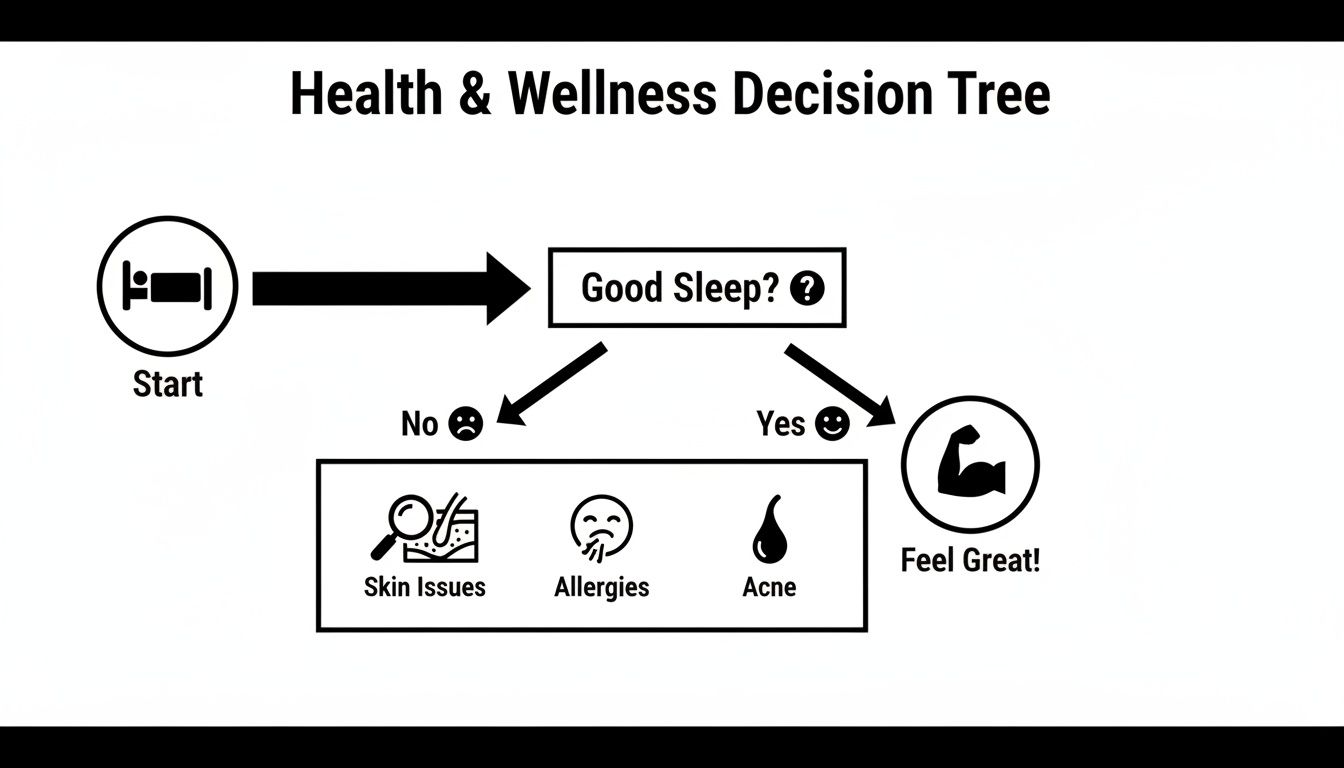
The road to better skin and fewer sniffles often begins with a cleaner bed.
If You Suffer from Allergies or Asthma
For anyone with allergies, your bed can be a major source of irritation. Triggers like dust mites, pollen, and pet dander collect in bedding. If you wait a week to wash, these allergens can build up and disrupt your sleep.
To get ahead of this, wash your sheets every 3 to 4 days. This frequent cycle removes allergens before they settle in, helping you breathe easier.
When You Share Your Bed with Pets
Sharing your bed with a pet is wonderful, but it comes with extra laundry. Our furry friends track in dander, fur, and dirt, all of which gets embedded in your sheets.
Real-Life Example: The Melbourne Pet Owner
Sarah, a dog lover, shares her bed with Alfie, her Golden Retriever. She stuck to a weekly wash but couldn't figure out why her allergies were acting up. By switching to washing her sheets every 3 days, she got rid of the dander build-up and eased her symptoms.
With 69% of Australian households owning pets, this is a common story. Washing every 3–4 days is a practical necessity for pet owners.
For Those Who Experience Night Sweats
Waking up in damp sheets is uncomfortable and a hygiene issue. The excess moisture creates a breeding ground for bacteria. If you regularly experience night sweats, your washing schedule needs to keep up.
Wash your sheets every 2 to 3 days to prevent bacterial growth and keep your sleep environment clean and dry.
When Someone in the House Is Sick
When someone’s unwell, their bed becomes a hotspot for germs. These microbes can linger on fabrics for days, potentially making the illness last longer or spreading it to others.
During and after an illness, wash sheets daily if possible, or at least every other day. Use the hottest water your fabric can safely handle to sanitise the bedding.
Managing Kids and Bedwetting
For parents with young children, accidents happen. When bedwetting occurs, it's important to act fast to prevent odours and bacterial growth. Strip the bed immediately and wash all affected bedding. Having a waterproof mattress protector and a spare set of sheets makes middle-of-the-night changes much easier. While thinking about bed hygiene, consider how often you should change your pillow, as it collects just as much sweat and oil.
How Your Sheet Fabric Affects Wash Day
The fabric you sleep on plays a big role in how often it needs washing. Some materials attract moisture and allergens, while others stay fresher for longer. Understanding the quirks of your bedding—whether it’s the difference between organic cotton vs bamboo or how linen behaves—is key to a clean sleep.
Cotton: The Reliable Classic
Cotton is soft, familiar, and breathable. However, it is highly absorbent, meaning it soaks up sweat and oils, which can become a resort for bacteria. A strict weekly wash is best for keeping cotton sheets hygienic.
Linen: The Breathable Powerhouse
Linen is a superstar for breathability. It’s naturally moisture-wicking, pulling sweat away from your skin and drying quickly. This keeps your bed feeling cooler and cleaner. A wash every one to two weeks is ideal for linen, which gets softer with every wash. For detailed care, see our guide on how to wash linen.
Bamboo: The Hygienic Hero
Bamboo fabric is in a league of its own for creating a clean sleep space.
Research shows that bamboo fabric retains many of the natural antibacterial properties of the bamboo plant. This means it actively resists bacteria growth and keeps allergens like dust mites from settling in, helping your sheets smell fresh for longer.
Thanks to these traits, you can comfortably push laundry day out a bit. Washing your bamboo sheets every one to two weeks is generally all you need. For more tips, our guide on how to wash bamboo sheets has you covered. Our Sienna Living bamboo sheets are a fantastic choice, as they are naturally antimicrobial and hypoallergenic.
Fabric Care Comparison Guide
Here's a quick cheat sheet for common bedding materials to help on laundry day.
| Fabric Type | Recommended Frequency | Best Water Temperature | Key Benefit |
|---|---|---|---|
| Cotton | Weekly | Warm (40°C) | Soft, breathable, and widely available. |
| Linen | Every 1-2 weeks | Cold to Warm (30-40°C) | Extremely breathable and gets softer with every wash. |
| Bamboo | Every 1-2 weeks | Cold (30°C) | Naturally antimicrobial, hypoallergenic, and moisture-wicking. |
The Best Way to Wash, Dry, and Store Your Sheets
Knowing how to wash your sheets is just as important as knowing how often. The right technique protects delicate fibres and preserves that soft, luxurious feel. Every step, from the detergent you choose to how you store them, plays a part.
Choosing the Right Detergent
When it comes to detergent, less is more. Many mainstream detergents contain harsh chemicals that can irritate skin and break down natural fibres.
Opt for a mild, eco-friendly, and pH-neutral detergent. These formulas are powerful enough to lift dirt and oils without leaving a residue. It's also best to skip bleach and fabric softeners, as they can weaken fibres and reduce their natural moisture-wicking abilities.
Finding the Perfect Water Temperature
Getting the temperature right is a balance between killing germs and protecting your fabric.
- Warm Water (around 40°C): This is the sweet spot for most cotton sheets. It’s hot enough to tackle dirt and bacteria without being too aggressive.
- Cold Water (30°C or below): This is your go-to for delicate fabrics like bamboo and linen. A cool wash prevents shrinkage and preserves the fibres.
Mastering Drying Techniques
How you dry your sheets is crucial. Over-drying on high heat can ruin good bedding, leaving fibres brittle and causing shrinkage.
Line Drying: This is the gold standard. The sun is a natural disinfectant and brightener, and you can't beat that fresh, sun-dried scent.
Tumble Drying: If using a machine, always opt for a low heat, gentle cycle. Toss in a few wool dryer balls to stop sheets from tangling. Pull them out while they’re still slightly damp to prevent wrinkles.
Storing Your Linens for Freshness
Proper storage keeps spare sets fresh and ready. A cool, dry, and dark spot like a linen closet is ideal. Avoid plastic containers, which can trap moisture and lead to mildew.
Here’s a great tip: fold your entire sheet set and tuck it inside one of the pillowcases. This keeps everything together so you’ll never have to hunt for a matching set again.
Washing Other Bedding Is Just as Important
A truly clean bed is more than just fresh sheets. Pillows, duvets, and mattress protectors also collect skin cells, sweat, and allergens. If you skip washing them, you’re putting clean sheets back onto a not-so-fresh foundation.
Pillows and Pillowcases
Your pillowcase is against your face all night, so it should be washed once a week with your sheets. The pillow inside absorbs moisture and dust mites over time. Learn whether you should you wash pillows or if it's time for a replacement.
Duvet Covers and Blankets
Your duvet cover is the main shield for the duvet itself. Wash it every two weeks. If you sleep without a top sheet, wash it weekly. Blankets and comforters should be washed every two to three months.
Mattress and Pillow Protectors
These are the unsung heroes of your bed. They stop spills, sweat, and allergens from reaching your mattress and pillows. To keep them effective, wash them every one to two months.
Common Questions About Washing Bed Sheets
Here are answers to some of the most common queries about washing sheets.
Do I need to wash new sheets before using them?
Yes, absolutely. New sheets often have leftover starches and chemicals from manufacturing that can irritate sensitive skin. A quick wash gets rid of these residues and softens the fabric.
What happens if I only wash my sheets once a month?
Washing sheets just once a month allows for a serious build-up of sweat, dead skin cells, body oils, and millions of dust mites. This can contribute to skin problems like acne, aggravate allergies, and start to smell.
How many sets of sheets should I own?
Having at least two or three sets of sheets for each bed is ideal. A spare set means you can put fresh sheets on right away. A third set is a lifesaver for unexpected spills or illness and allows you to rotate your collection, helping each set last longer.
What is the best way to remove yellow sweat stains?
The key is to pre-treat the area. Create a paste with baking soda and water, or use a gentle, oxygen-based bleach alternative. Let it sit on the stain for at least 30 minutes, then wash the sheets in the warmest water the fabric can handle.
Time for a Bedding Refresh?
Sticking to a regular washing schedule ensures your bed is a clean, healthy, and inviting place to rest. By understanding your specific needs and the fabric you sleep on, you can create the perfect routine for a truly restorative night's sleep. Ready to upgrade to bedding that stays fresher for longer?